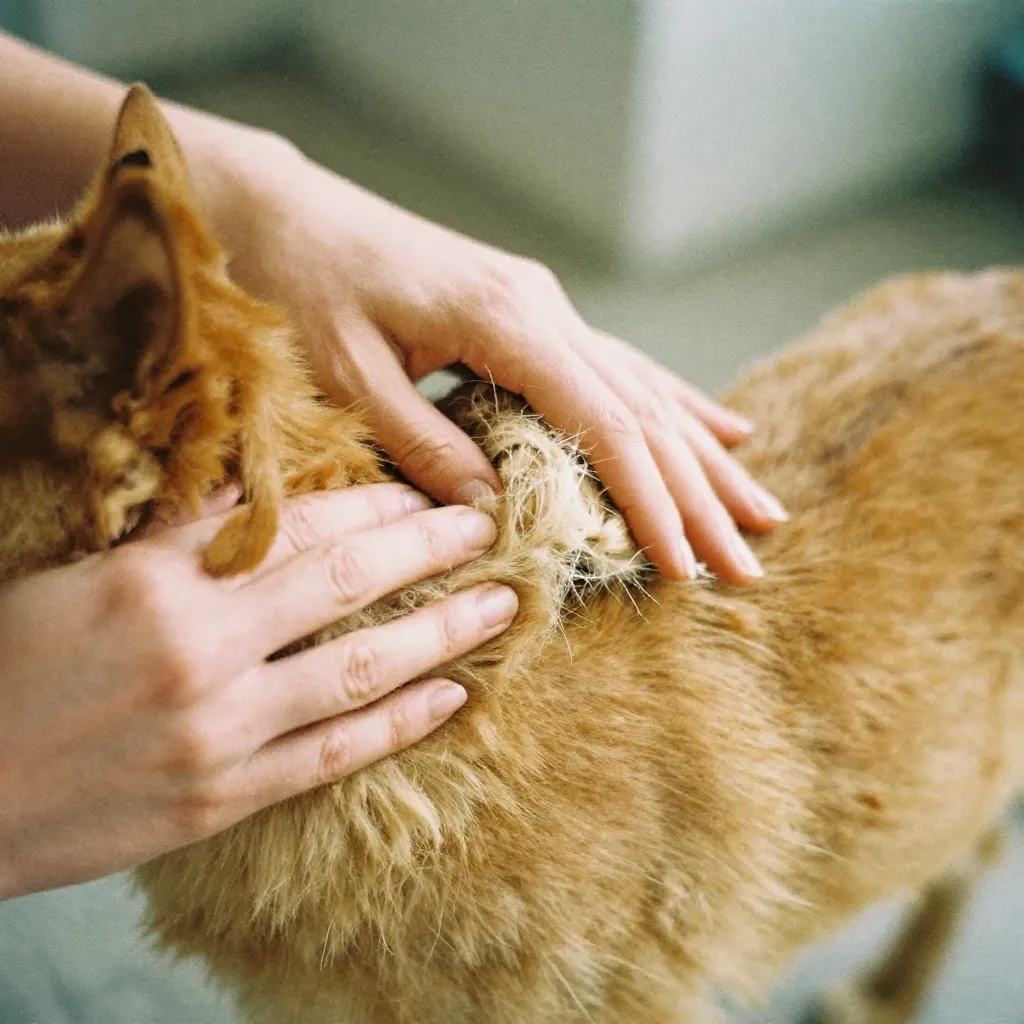
Coat Archetypes
Select a coat archetype below to discover its unique characteristics and the natural grooming techniques that work best with its structure.
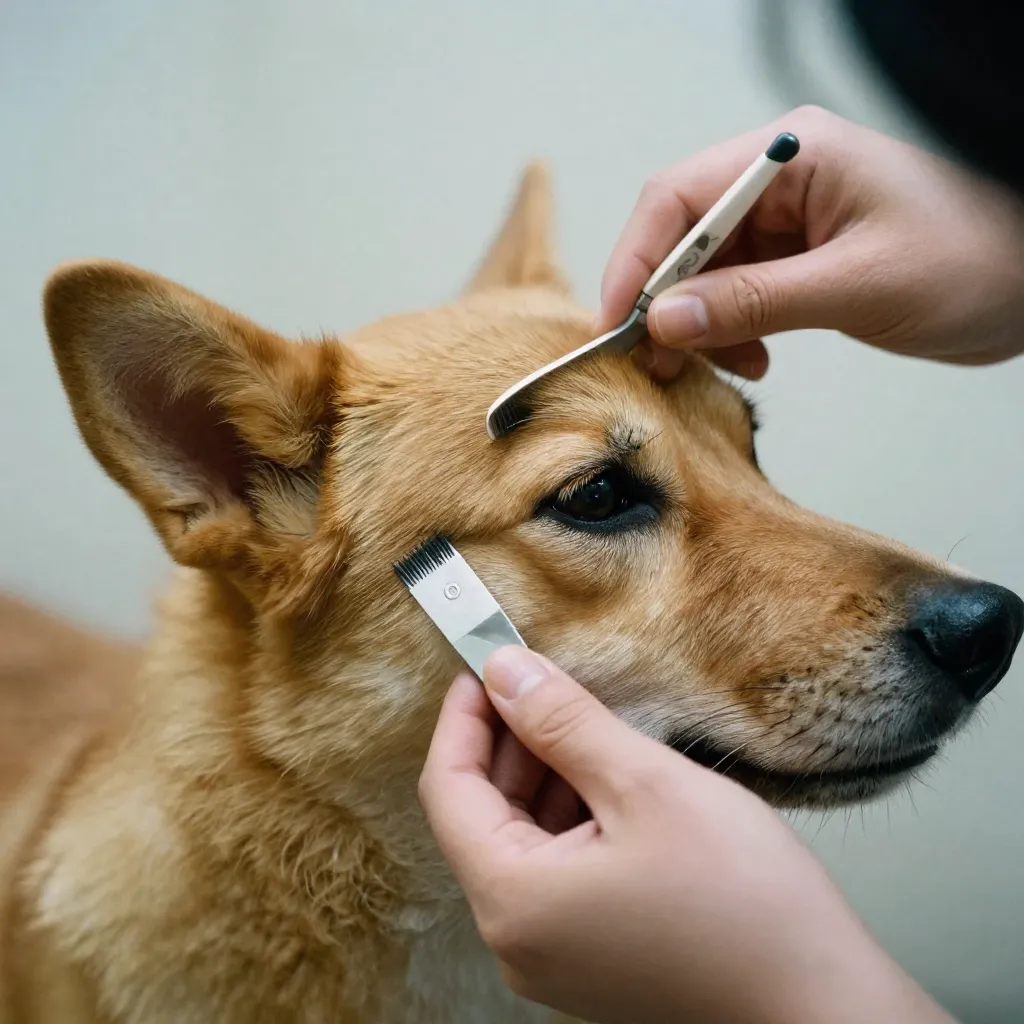
The Wiry Terrier
This archetype features coarse, springy strands that resist matting naturally. The texture feels rough to the touch but maintains excellent structure and weather resistance.
Natural Brushing Technique: Use a wide-toothed wooden comb to separate the outer coat, working in sections. Follow with a natural-bristle brush using short, firm strokes that lift and separate rather than flatten. Hand-stripping techniques work well for removing dead outer hairs while preserving the coat's natural texture.
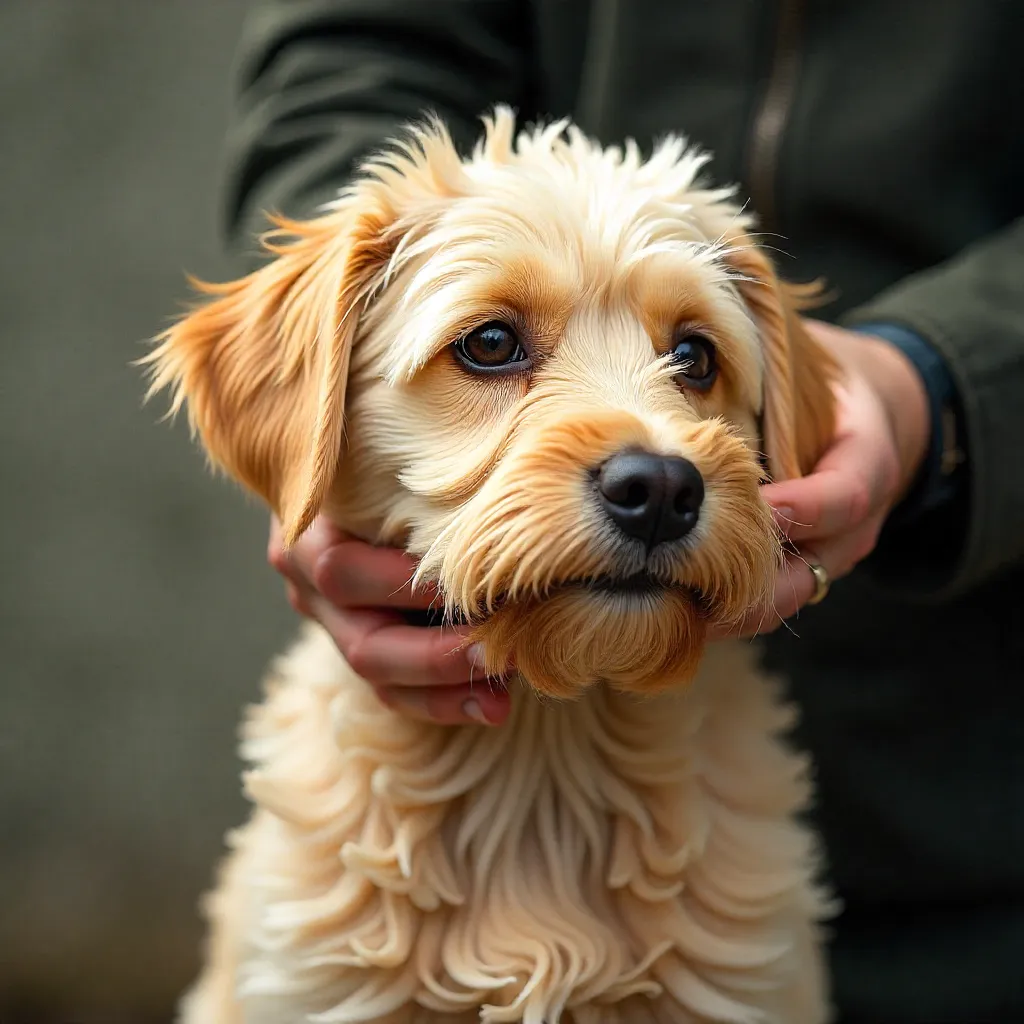
The Silky Spaniel
Characterized by fine, straight strands that flow smoothly. This texture requires gentle handling to prevent breakage while maintaining its natural shine and movement.
Natural Brushing Technique: Begin with a soft natural-bristle brush, working from the ends toward the roots to prevent tangling. Use long, gentle strokes that follow the natural direction of hair growth. A wide-toothed comb can help separate sections before brushing. Apply minimal pressure to avoid breaking the delicate strands.
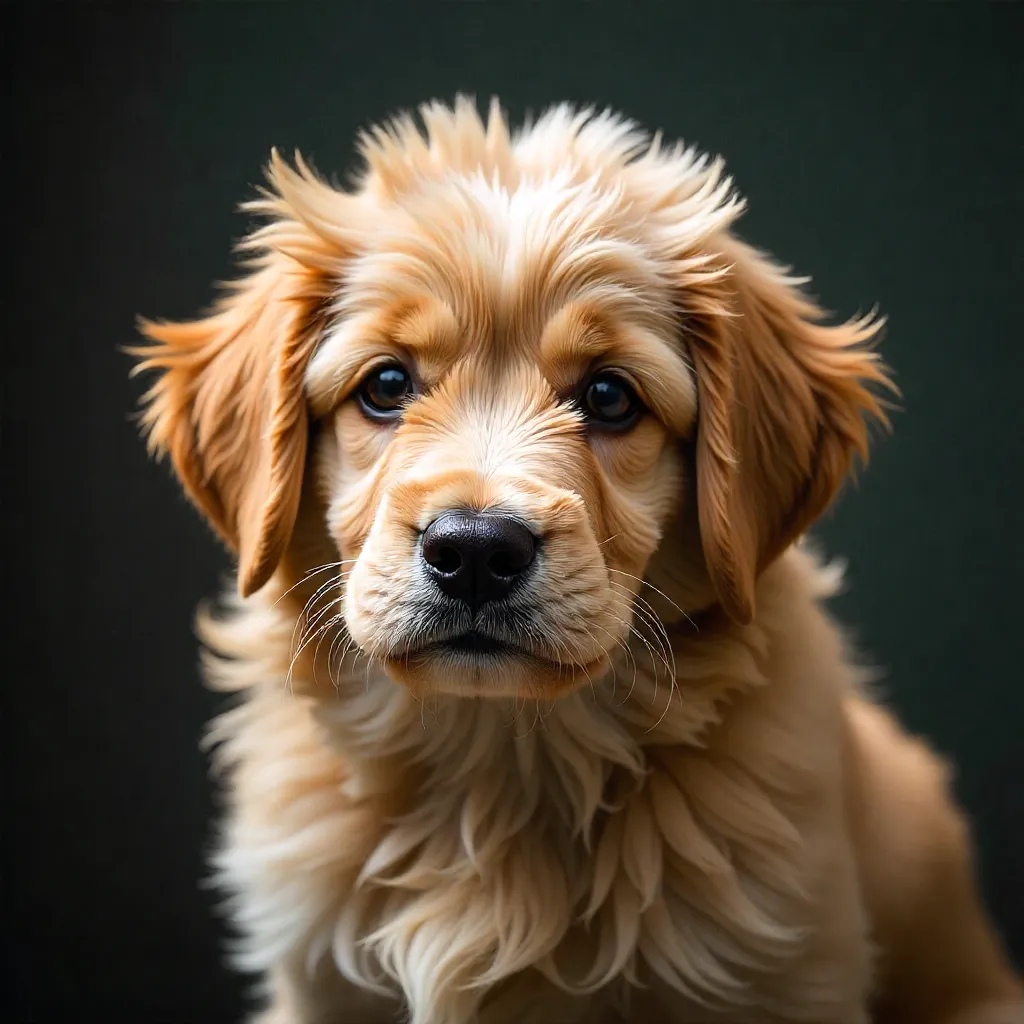
The Dense Nordic Undercoat
Features a dense, woolly undercoat protected by longer guard hairs. This double-layer structure provides excellent insulation but requires systematic care to prevent matting.
Natural Brushing Technique: Start by lifting the outer guard hairs with a wide-toothed comb to access the undercoat. Use a pin brush with rounded tips, working in small sections from the skin outward. Brush in layers, ensuring you reach the undercoat without pulling. A slicker brush can help remove loose undercoat during seasonal shedding periods.
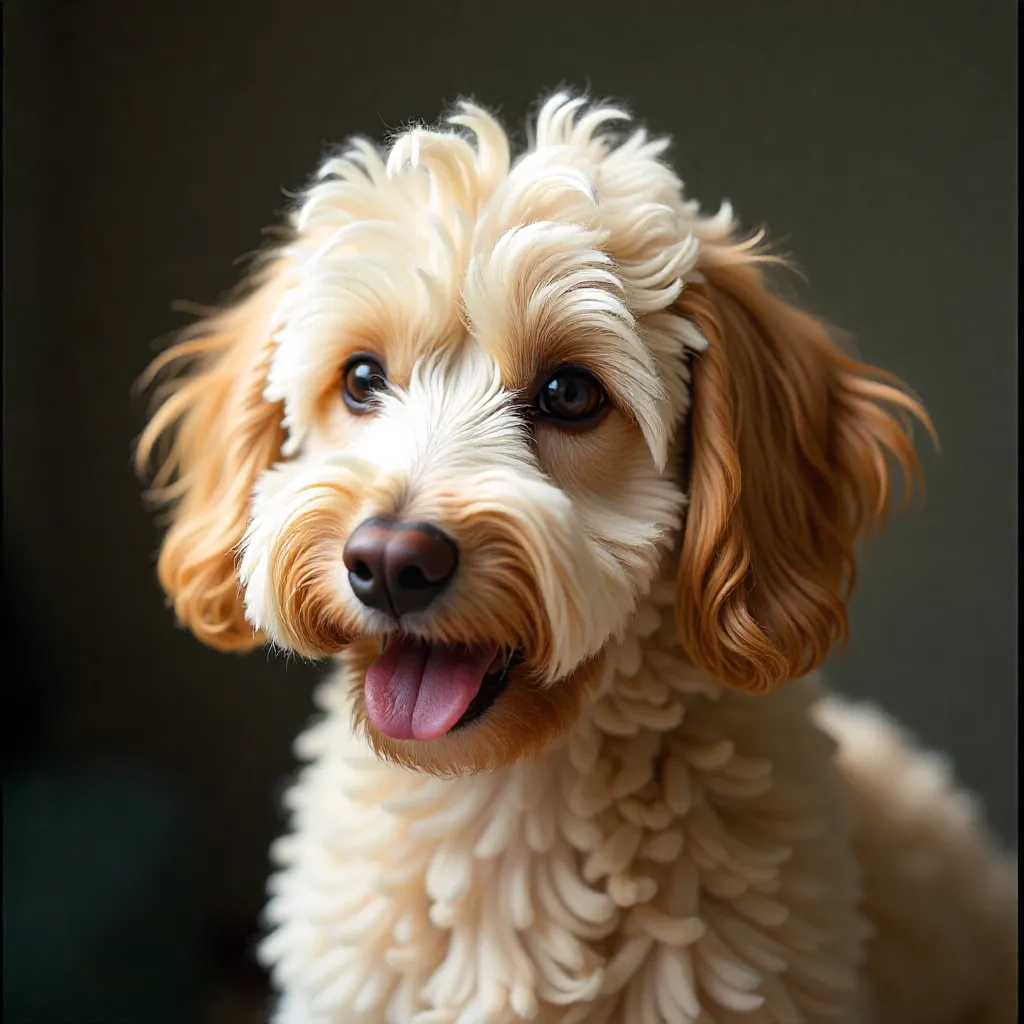
The Curly Poodle
Tight, springy curls that form distinct patterns. This texture requires techniques that work with the curl structure rather than against it, maintaining definition while preventing matting.
Natural Brushing Technique: Use a wide-toothed comb or your fingers to separate curls gently. Work through sections methodically, starting from the ends and moving upward. A natural-bristle brush can help distribute natural oils through the curls. Avoid brushing when dry if possible—slightly damp hair responds better to grooming while maintaining curl definition.
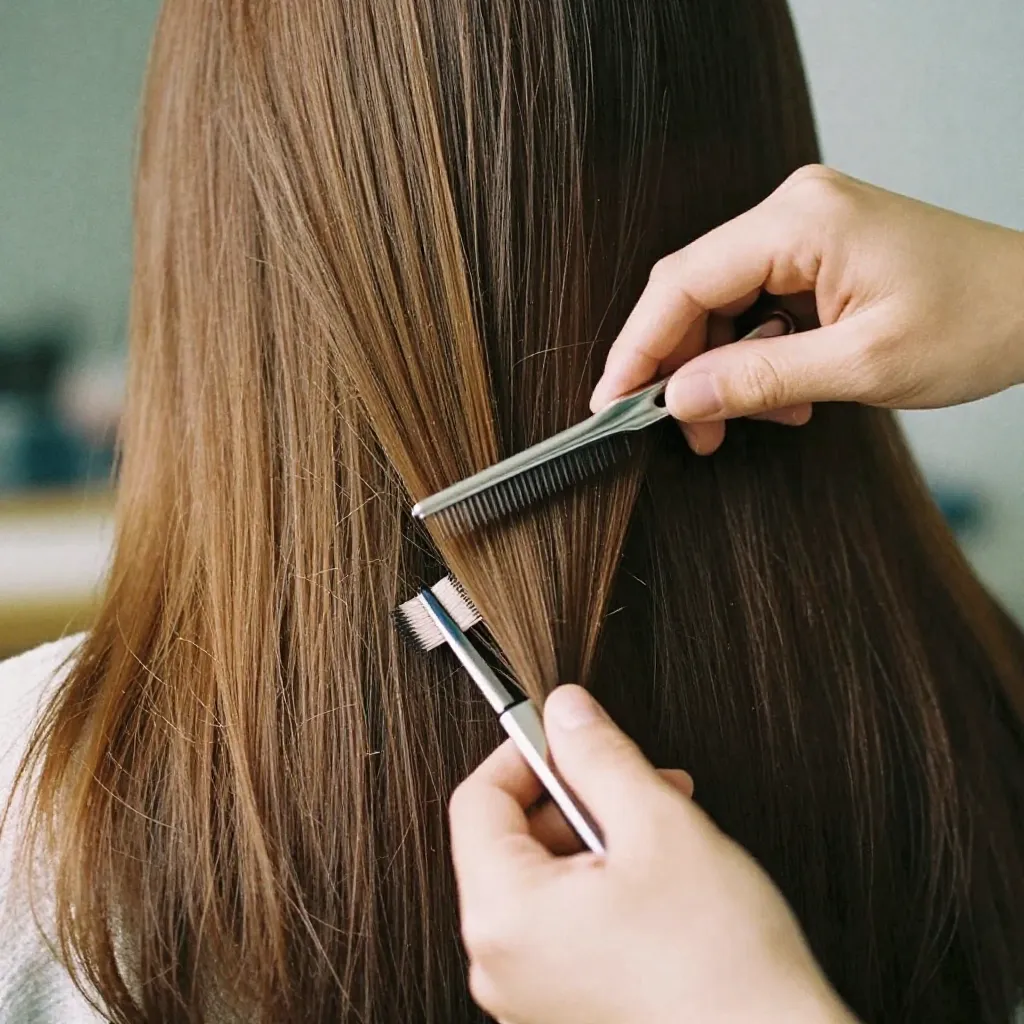
The Smooth Short Coat
Short, close-lying strands that require minimal maintenance but benefit from regular natural oil distribution and gentle exfoliation techniques.
Natural Brushing Technique: Use a soft natural-bristle brush or a grooming mitt with gentle, circular motions. This helps distribute natural oils and remove loose hairs. A rubber curry brush can provide gentle exfoliation and stimulate natural oil production. Work in the direction of hair growth with light pressure.
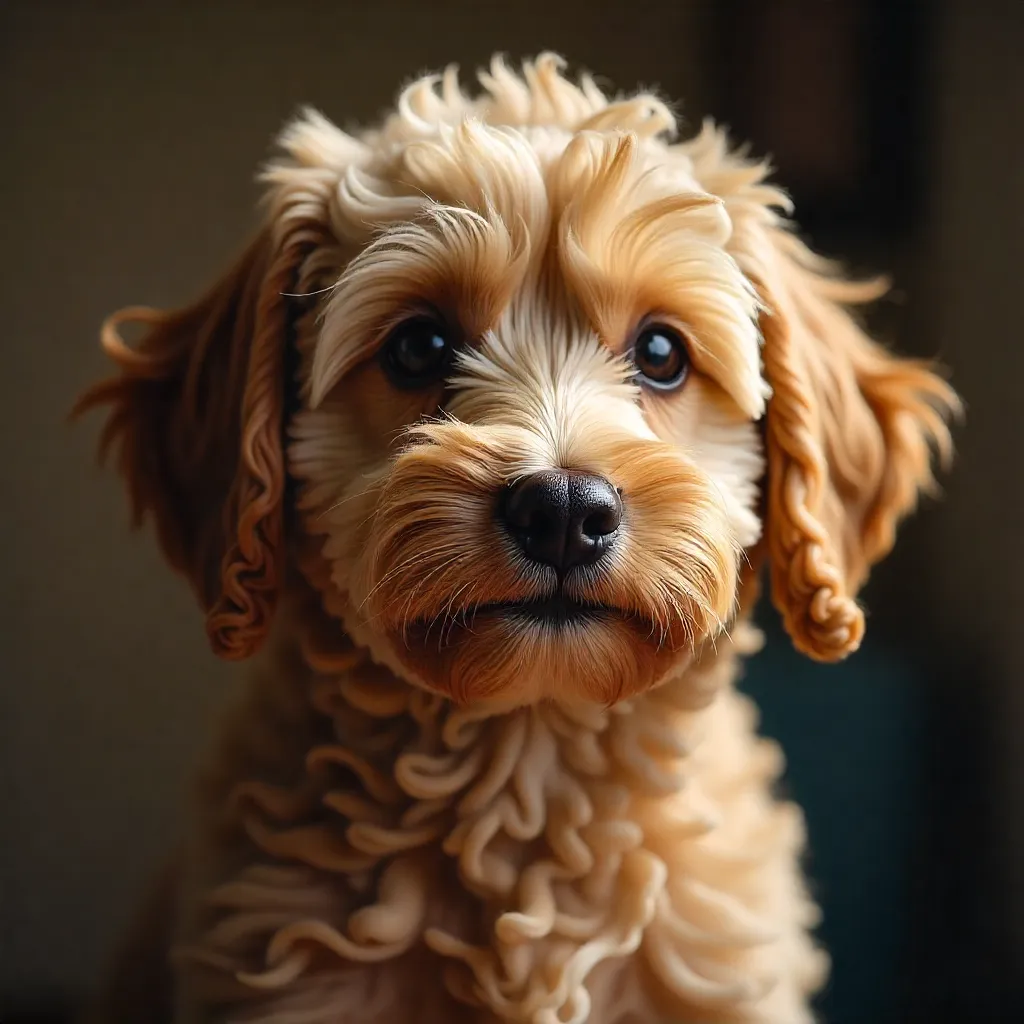
The Long Flowing Coat
Long, flowing strands that require consistent maintenance to prevent tangling and matting while preserving their elegant appearance.
Natural Brushing Technique: Always start from the ends and work upward to prevent pulling tangles tighter. Use a wide-toothed comb first to separate sections, then follow with a natural-bristle brush using long, smooth strokes. Work in small sections, holding the hair above the brush point to prevent pulling on the skin. Regular maintenance prevents matting more effectively than infrequent intensive sessions.
Understanding Texture Variations
While these archetypes represent common patterns, individual coats may show characteristics from multiple categories. The key is observing the specific texture and adapting techniques accordingly.
Natural grooming emphasizes working with the coat's inherent qualities rather than forcing it into a particular style. This approach respects the biological function of each coat type while maintaining its health and appearance.